

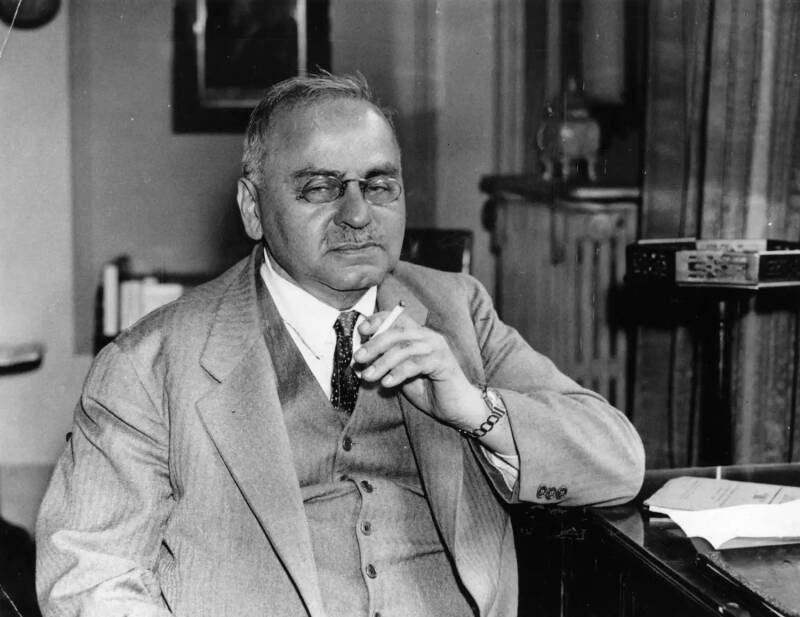
Alfred Adler and the Revolutionary Insights of Individual Psychology
When we think of psychology’s pioneers, names like Freud and Jung often come to mind. Yet, Alfred Adler stands out as a figure who reshaped the field with a unique focus on the individual’s role in their social environment. His theory of Individual Psychology was a groundbreaking departure from the psychoanalytic traditions of his time, emphasizing personal responsibility, social connectedness, and striving for purpose. Let’s delve into Adler’s ideas and their enduring impact.
A Break from Freud: Adler’s Distinct Vision
Alfred Adler began his career as a colleague of Sigmund Freud, but their paths diverged as Adler developed his own theoretical framework. While Freud emphasized unconscious drives and childhood conflicts, Adler focused on the conscious mind and the individual’s capacity to shape their destiny. His belief in the holistic nature of human beings—as creators of their own lives—set the stage for a more optimistic and action-oriented approach to psychology.
One of Adler’s core tenets was that people are motivated not by pleasure or pain, but by a desire to overcome feelings of inferiority and achieve significance. He argued that these inferiority feelings stem from our awareness of our limitations and vulnerabilities, which he termed the "inferiority complex. This concept remains a cornerstone of psychological thought today, influencing everything from therapy to pop culture.
Striving for Superiority and the Pursuit of Goals
Adler proposed that all human behavior is goal-oriented, driven by a fundamental striving for superiority. This doesn’t mean a quest for dominance over others but rather a personal journey to overcome perceived weaknesses and achieve fulfillment. According to Adler, this striving gives life its meaning and direction.
Consider how this plays out in everyday life: A student who struggles in math might channel their efforts into becoming a skilled problem-solver, or someone who feels socially awkward might work hard to develop strong interpersonal skills. For Adler, these efforts are not merely reactions to external pressures but deliberate actions reflecting an individual’s unique goals and values.
The Social Nature of Humanity
Unlike many of his contemporaries, Adler placed a strong emphasis on the social aspects of human existence. He coined the term **"social interest"—Gemeinschaftsgefühl in German—to describe the innate capacity and desire to connect with others and contribute to the greater good. He believed that true mental health is rooted in this sense of belonging and cooperation.
Adler’s focus on social interest has profound implications. It suggests that isolation and disconnection are major sources of psychological distress. In therapy, fostering a sense of community and mutual support becomes a critical goal, helping individuals rebuild their connections to others and find meaning in their relationships.
Birth Order and Family Dynamics
Another fascinating aspect of Adler’s work is his theory on birth order and its influence on personality development. He suggested that the position a child holds within their family—eldest, middle, youngest, or only child—shapes their attitudes, behaviors, and coping mechanisms. For example:
- Firstborns often take on leadership roles but may feel burdened by high expectations.
- Middle children might develop strong social skills as they navigate their place in the family hierarchy.
- Youngest children can be charming and creative but might struggle with dependency.
- Only children often display maturity and independence but may feel isolated.
While Adler’s birth order theory has sparked debate and further research, it remains a popular framework for understanding family dynamics and personality.
The Role of Courage in Overcoming Life’s Challenges
Adler believed that courage is essential for tackling life’s inevitable challenges. He viewed life as a series of tasks—work, friendship, and love—each requiring the individual to confront fears, embrace vulnerability, and strive for growth. For Adler, therapy was a means of fostering this courage, helping individuals recognize their potential and take proactive steps toward their goals.
In this context, Adler’s approach to therapy is highly empowering. Rather than delving endlessly into the past, he encouraged clients to focus on the present and future, challenging self-limiting beliefs and adopting new, constructive behaviors. This forward-looking, solution-oriented mindset laid the groundwork for modern approaches like cognitive-behavioral therapy.
Adler’s Enduring Legacy
Alfred Adler’s ideas have left an indelible mark on psychology and beyond. His emphasis on the individual’s agency, social connectedness, and capacity for growth resonates with contemporary movements in mental health, education, and organizational leadership. Adlerian concepts are also at the heart of parenting strategies, promoting encouragement over criticism and fostering children’s independence and empathy.
In a world increasingly aware of the importance of mental health, Adler’s teachings remind us of the power of community, purpose, and courage. His insights offer a roadmap for overcoming adversity and building meaningful lives, both individually and collectively.
To study Adler is to embrace the idea that we are not merely shaped by our circumstances but active participants in shaping our destinies. His vision of Individual Psychology invites us to see the best in ourselves and others, offering a timeless message of hope and empowerment.
Add comment
Comments